Introduction
Imagine holding the key to something built with hands that care. The Ferrari 360 Modena Spyder isn’t just metal and glass – its heartbeat lives in every curve shaped by decades of passion. Driving it feels like touching history made loud, smooth, alive.
Still turning heads today, the Ferrari 360 Spider stands out among beginner supercars. Not just beautiful but built to connect driver and road through raw feedback. With its smooth curves matched by a high-revving V8 howl, it offers thrills minus the price tag of newer exotics. Because passion fits even on modest budgets.
This machine feels alive, a contrast to modern vehicles packed with screens and software. Yet its charm lies in simplicity – no digital clutter, just open road. Enthusiasts respect that clarity; collectors preserve it. Even now, years later, weekend drives still spark joy because of how directly it connects driver to motion.
A first-time Ferrari driver might find this useful. Collectors could learn something too. Or maybe you just love how fast it feels behind the wheel. This guide gives clear answers when choices get tough. Clarity comes before speed every time.
Quick Overview
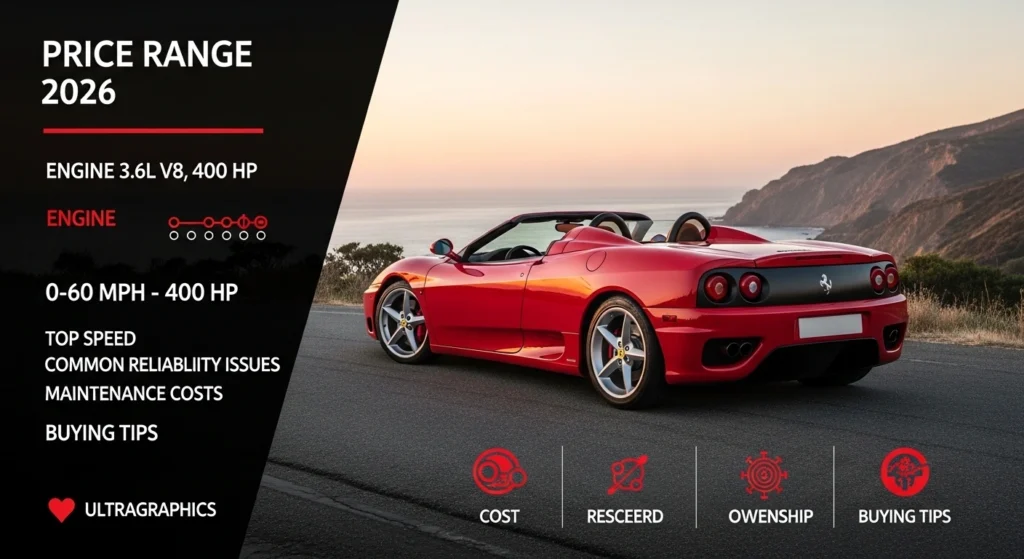
- Engine: 3.6L Naturally Aspirated V8
- Power: 400 HP
- Torque: 373 Nm
- Transmission: 6-Speed Manual / F1 Automated
- Body: Convertible (Spider)
- 0–100 km/h: ~4.5 sec
- Top Speed: ~290 km/h
Why the Ferrari 360 Spider Still Matters in 2026
The Ferrari 360 Modena Spyder continues to perform strongly in the resale market because it sits in a perfect balance zone:
- Not too outdated → still usable
- Not overly modern → still affordable
- Not overly complex → comparatively easier to maintain
Why Buyers Choose It
- Accessible Ferrari ownership
- Timeless aesthetics
- High-revving V8 engine
- Stable resale demand
- Growing collector appeal
Simply put: it’s one of the most attainable ways to experience true Ferrari DNA.
Exterior Design
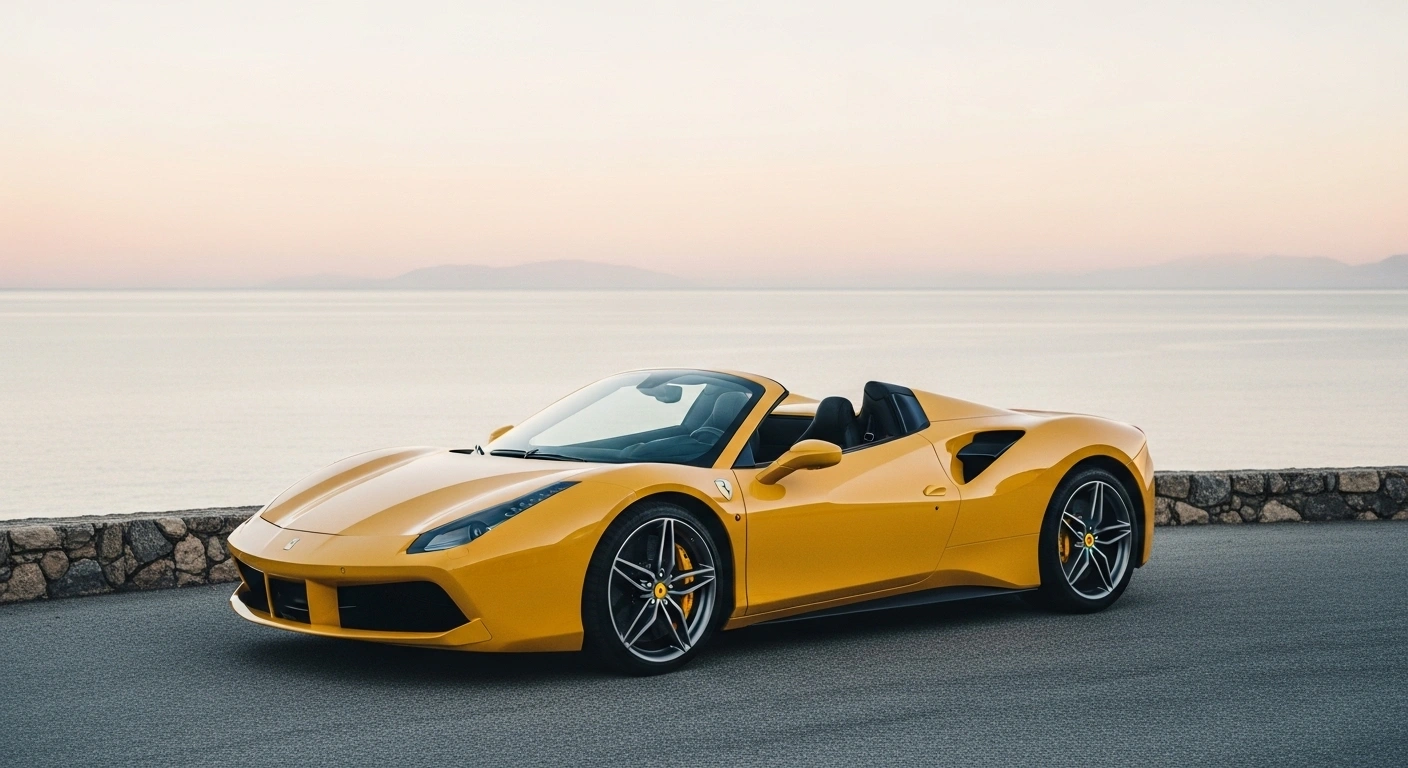
Designed by Pininfarina, the 360 Spider still looks refined and contemporary.
Key Features
- Fluid aerodynamic lines
- Iconic oval grille
- Functional air intakes
- Lightweight aluminum chassis
- Electrically operated soft-top
Unlike aggressive modern supercars, its clean curves create a classic and enduring look.
Insight: Vehicles like this are transitioning into “modern classics,” meaning long-term value appreciation is possible.
Interior & Comfort
The interior of the Ferrari 360 Spider prioritizes Control over luxury.
Features
- Premium leather upholstery
- Analog instrument cluster
- Minimalistic dashboard
- Adjustable driving position
Reality Check
- Limited comfort for long journeys
- Minimal storage
- No modern luxury tech
This machine is built for driving engagement, not comfort cruising.
Engine & Performance
At its core lies a naturally aspirated V8 that defines the car’s character.
Highlights
- Instant throttle response
- High-revving engine note
- Mechanical driving feel
No filters, no artificial enhancements—just raw performance.
Fuel Economy & Real Usage
Efficiency isn’t the priority here.
- City: 10–12 L/100 km
- Highway: ~15 L/100 km
Premium fuel is required, and frequent refueling is expected.
Safety Features
Basic but functional:
- Dual airbags
- ABS
- Traction control
- Stability control
Missing modern systems like adaptive cruise or lane Assist
Technology & Infotainment
This is where the car shows its age:
- Basic audio system
- CD player
- Manual climate controls
No touchscreen or smartphone integration
It’s about driving, not digital experience.
Pricing
Prices vary significantly based on condition, mileage, and specification.
Market Categories
- Entry-level: Higher mileage
- Mid-range: Balanced condition
- Premium: Low mileage, collector quality
Key Insight:
Manual versions are more valuable and desirable in the long term.
Spider vs Modena
- Spider: Open-air thrill
- Modena: Better rigidity and performance
Choose based on lifestyle vs performance preference.
Common Problems
- F1 transmission wear
- Clutch replacement costs
- Sticky interior buttons
- Electrical faults
- Roof mechanism issues
Always perform a professional inspection before buying.
Ownership Costs
Owning a Ferrari demands commitment:
- Annual servicing: High
- Clutch replacement: expensive
- Parts availability: limited
Poor maintenance leads to major future expenses.
Pros & Cons
Pros
- Iconic styling
- Affordable Ferrari entry
- Incredible engine sound
- Strong resale value
Cons
- High maintenance
- Limited practicality
- Reliability concerns
- Poor efficiency
Who Should Buy?
Ideal For
- First-time Ferrari owners
- Weekend drivers
- Collectors
Not Ideal For
- Daily commuters
- Budget-conscious buyers
- Comfort seekers
Alternatives
- Ferrari F430 Spider – more power
- Porsche 911 Cabriolet – more practical
- Lamborghini Gallardo Spyder – more aggressive
Buying Checklist
- Service history
- Clutch condition
- Electronics test
- Roof operation
- Accident history
- Professional inspection
Expert Buying Tips
- Buy from reputable sellers
- Avoid cheapest listings
- Focus on condition over price
- Prefer manual for investment
Clean, original cars are gaining Collector status.
FAQs
A: Yes, especially manual versions. Values are stable and may rise.
A: 2003–2005 models are more refined and reliable.
A: Manual is more valuable and reliable. F1 is easier to drive.
A: Yes, maintenance costs are high.
Final Verdict
A true Ferrari feel isn’t always out of reach – this convertible model proves it. With the 360 Modena Spyder, driving passion comes without chasing impossible numbers.
A feeling takes hold here. Not logic, not savings at play. Instead, something vivid pulls you in – alive, sticky in your Memory.