Introduction:
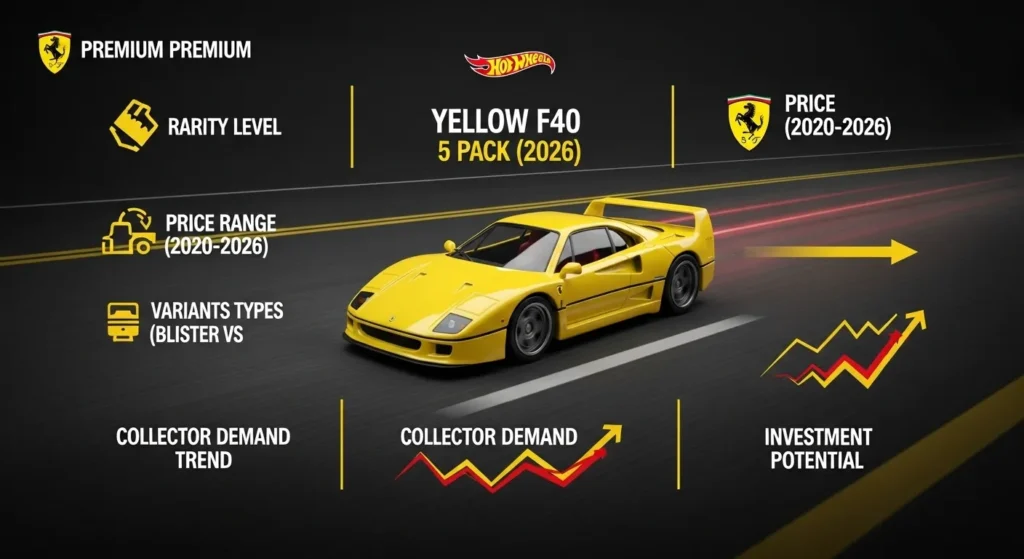
Out of nowhere, a bright Hot Wheels Yellow Ferrari F40 5 pack keeps showing up in conversations among small car collectors worldwide. By 2026, eyes still turn toward it – not just for the classic supercar look, but because so few sets made it out. Fewer units floating around means more people hunting them down later. Because of that, prices inch higher every time someone sells online.
Far from being a tiny plaything on wheels, this piece stands as part of a valued category among metal car collectors – drawing attention from fans of Ferraris, those tracking trends in hobbies, individuals watching value grow over time, also people navigating secondhand exchanges.
What makes it stand out comes down to several linked reasons
- Legendary Ferrari F40 legacy influence
- Discontinued Ferrari licensing agreement with Hot Wheels
- Limited distribution through multi-car 5-pack sets
- Variant-based scarcity across production batches
- Continuous demand growth in collector communities
This guide walks through every part of the model – its versions, how value shifts over time, what it looks like, who’s buying, plus how investors act by 2026. From shapes to pricing clues, each piece fits into a clearer picture. Behind the numbers sit choices people make when trading. What shows up in design often points to bigger trends underneath. Year after year, certain patterns repeat without calling attention. By watching small changes now, future moves become less surprising.
Quick Overview Table:
| Feature | Details |
| Model | Ferrari F40 (Hot Wheels 5 Pack Edition) |
| Scale | 1:64 |
| Color Variant | Yellow (Selective Release Variant) |
| Packaging Type | 5-Pack Bundle |
| Material Composition | Diecast metal + plastic components |
| Demand Level | High in collector market |
| Investment Strength | Moderate to Strong |
| Target Audience | Collectors, investors, Ferrari fans |
Exterior Design:
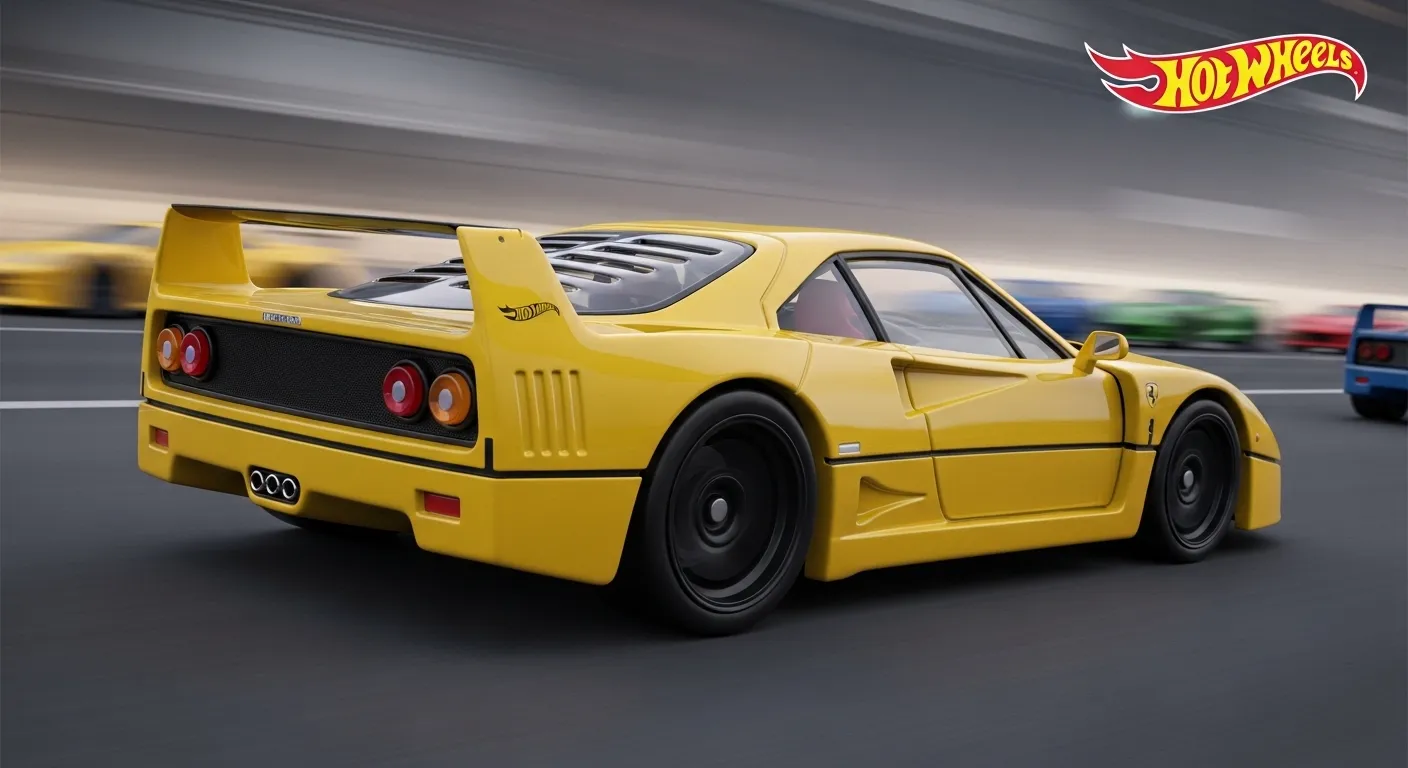
The Ferrari F40 casting is one of the most recognizable and iconic designs in the Hot Wheels universe.
Its structure closely Replicates the real supercar silhouette, making it instantly identifiable even at miniature scale.
Key Exterior Design Characteristics
This model includes:
- Angular aerodynamic wedge profile
- Large rear wing spoiler for racing aesthetics
- Low-ground clearance racing stance
- Ferrari-inspired front fascia design
- Proportional body geometry based on real F40 blueprint
These elements contribute to its visual authenticity and collectible appeal.
Wheel and Base Variation Differences
Depending on production batches, collectors may encounter variations such as:
- Standard 5-spoke wheel design
- Basic black plastic chassis base
- Occasional metal-base premium variants
👉 Earlier production runs are often considered more valuable due to manufacturing differences and tighter production control.
Interior & Comfort:
Even though the model is small-scale (1:64), interior detailing still influences collector satisfaction.
Interior Features Overview
The interior includes:
- Molded racing-style seat structures
- Simplified dashboard layout design
- Static interior (non-functional components)
- Dark-toned cabin coloring
These features are typical for mass-produced diecast models but still retain design accuracy.
Build Quality Strengths and Limitations
Strengths
- Durable diecast metal Body
- Strong axle resistance
- Reliable structural stability
- Long-term shelf durability
Limitations
- Potential paint wear at edges
- Plastic base sensitivity to heat
- Minor wheel alignment inconsistencies
Real Ferrari F40 Reference Insight
Understanding the real vehicle improves collector appreciation significantly.
Ferrari F40 Technical Specifications
| Feature | Specification |
| Engine | 2.9L Twin-Turbo V8 |
| Power Output | ~478 HP |
| Maximum Speed | ~324 km/h |
| Acceleration | ~4.1 seconds (0–100 km/h) |
Why Real Car Data Matters
Collectors value diecast models more when:
- The real car has historical significance
- It represents automotive engineering milestones
- It carries emotional and motorsport legacy
The Ferrari F40 checks all of these categories, increasing its collectible status.
Pros & Cons:
Pros
- Strong Ferrari F40 Legacy and collector appeal
- Discontinued Ferrari licensing increases long-term scarcity
- Attractive yellow variant stands out in collections
- Part of exclusive 5-pack releases (limited distribution)
- Good entry-level collectible for beginners
Cons
- Standard versions are not highly rare
- Value growth is slow, not fast profit-driven
- Quality inconsistencies in paint and wheels
- Packaging damage significantly reduces resale value
- No advanced interior detailing (basic design only)
- Hard for beginners to identify rare variants
Comparison With Other Ferrari Hot Wheels Models
| Model | Rarity | Demand | Value Trend |
| Yellow Ferrari F40 5 Pack | Medium-High | High | Strong Growth |
| Ferrari F50 | Medium | Medium | Moderate |
| Ferrari Enzo | Medium | Medium-High | Stable |
Maintenance & Preservation
Proper care ensures long-term value retention.
Cleaning Recommendations
- Use microfiber cloth only
- Avoid abrasive cleaning materials
- Keep away from direct sunlight exposure
Storage Best Practices
- Use sealed acrylic display cases
- Maintain a low-humidity environment
- Avoid stacking heavy items above Packaging
FAQs
A: It is moderately scarce, particularly in unopened or mint-preserved condition.
A: Ferrari terminated its licensing agreement, preventing new model production.
A: The opening hatch variant is the most sought-after and valuable version.
A: Yes, due to controlled supply and increasing collector demand globally.
A: Yes, sealed packaging significantly increases resale and collector value.
Conclusion:
The Hot Wheels Yellow Ferrari F40 5 Pack continues to be highly relevant in the diecast collector ecosystem in 2026.
Key Takeaways
- Strong Ferrari legacy enhances Emotional demand
- Discontinued licensing limits future supply
- Variant system increases collectability depth
- Entry-level affordability with long-term upside
- Stable appreciation potential over time