Introduction:
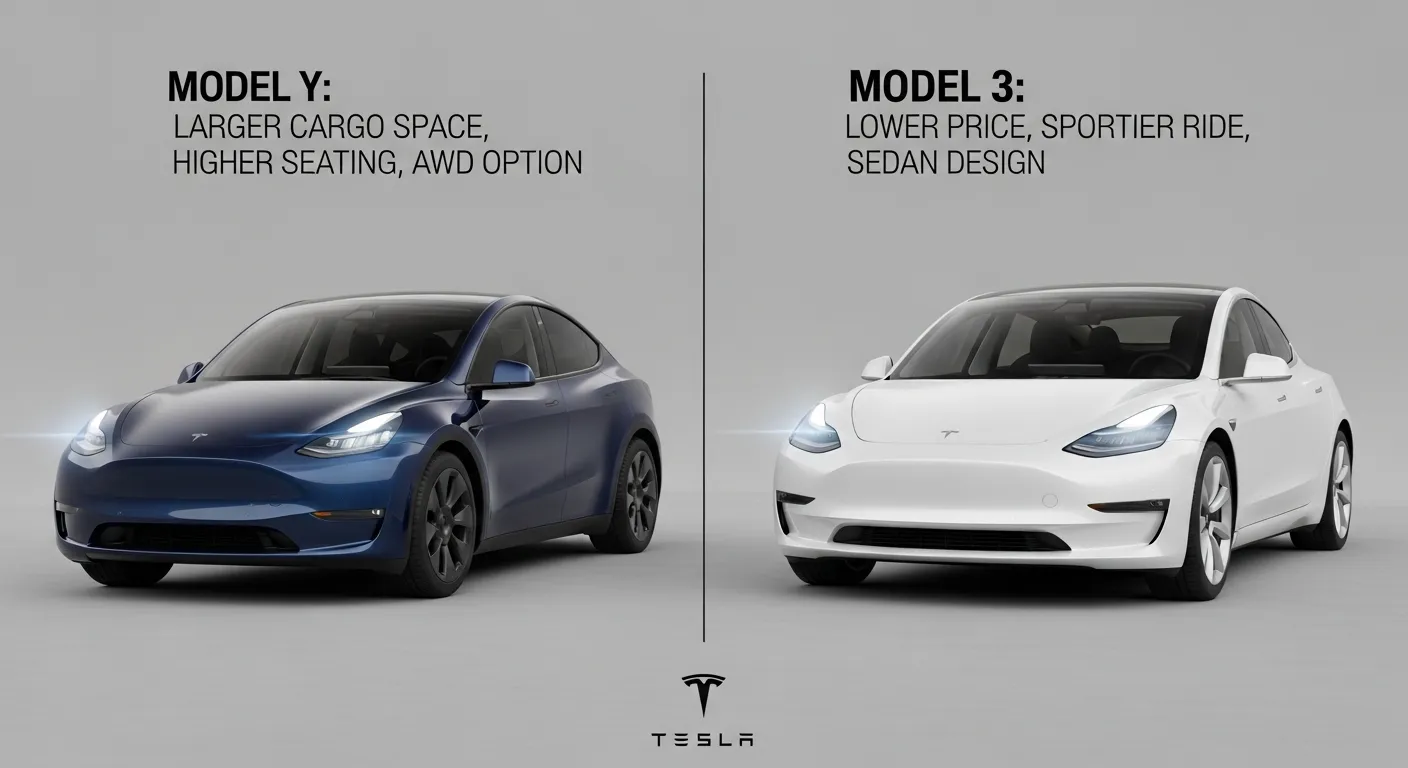
Still topping discussions deep into 2026, the Model Y versus Model 3 matchup draws constant attention across EV circles. While sharing Tesla’s core design mindset, each car blends smart software guided by machine learning, strong electric power delivery, and upgraded energy storage tech under the floor.
Still, even though they run on similar tech, one fits city commuters while the other suits weekend adventurers better. Each shapes itself around who drives it, how often, and where to. One thrives on routine routes, the opposite leans into open roads and loose plans. Their shared bones hide very separate rhythms underneath.
Putting it plainly, this breaks down like so:
A sleek shape cuts through air with less effort. Its wheels respond fast when the road twists. One person sits behind the wheel, going city to city. Light materials help it move far on just electricity
A roomy cabin opens up possibilities. Built for daily trips, it handles gear without fuss. This SUV stretches out where others feel tight. Long drives become easier on everyone inside. Thought went into every corner meant to serve real needs
This detailed walkthrough covers each key part through clear NLP-based organization – breaking down essentials step by step while showing how pieces connect behind the scenes
- Price segmentation and affordability
- Real-world driving range and efficiency metrics
- Acceleration and performance engineering
- Interior ergonomics and comfort design
- Cargo capacity and storage intelligence
- Safety architecture and crash protection systems
- Software ecosystem and smart features
- Ownership cost and long-term value analysis
- Final decision-making framework
Once you finish reading, a solid grasp of the numbers will point straight to the right Tesla for how you live.
Quick Overview Table:
| Feature | Tesla Model 3 | Tesla Model Y |
| Vehicle Category | Sedan | SUV |
| Market Position | Entry-to-mid EV | Mid-to-premium EV |
| Price Range | Lower | Higher |
| Driving Range | Higher efficiency (330–350 miles) | Slightly reduced (310–330 miles) |
| Acceleration | Faster | Slightly slower |
| Cargo Capacity | Limited | Extensive |
| Comfort Level | Sport-oriented | Family-oriented |
| Ideal User | Solo drivers, commuters | Families, long-distance travelers |
Exterior Design
Tesla applies aerodynamic optimization principles in both vehicles, but the design intent differs significantly.
Tesla Model 3 Exterior Architecture
The Model 3 is constructed with a minimalist aerodynamic sedan profile that prioritizes speed efficiency and drag Reduction.
Key Design Attributes:
- Ultra-low drag coefficient for energy efficiency
- Compact sedan silhouette for urban maneuverability
- Sleek LED lighting signature
- Flush door handles for aerodynamic enhancement
Design Interpretation:
The Model 3 visually communicates performance orientation. Its lowered stance improves road grip perception and enhances sporty aesthetics.
Interior Comfort:
Both Tesla models share a futuristic cabin philosophy but differ in spatial ergonomics.
Tesla Model 3 Interior Experience
The Model 3 interior is optimized for driver-centric engagement and minimal cognitive distraction.
Core Features:
- Single central touchscreen interface
- Low seating position similar to sports sedans
- Minimal physical buttons
- Vegan synthetic material integration
Advantages:
- Highly focused driving environment
- Clean digital interface reduces distraction
- Premium futuristic feel
Limitations:
- Reduced rear passenger comfort
- Limited vertical headroom
NLP Interpretation: The Model 3 interior creates a “cognitive simplicity zone” for drivers.
Safety Engineering & Crash
Both Tesla models integrate identical safety architecture frameworks.
Shared Safety Features:
- 5-star crash test rating structure
- Automatic emergency braking system
- Lane departure correction
- Blind spot detection system
- Advanced driver assistance system (ADAS)
Safety Conclusion:
There is no meaningful safety differentiation between Model Y and Model 3.
Advantages and Disadvantages
Tesla Model 3
Advantages:
- Superior acceleration dynamics
- Higher efficiency output
- Lower ownership cost
- Compact urban Usability
Disadvantages:
- Limited cargo flexibility
- Reduced passenger comfort in rear seats
Tesla Model Y
Advantages:
- Extensive cargo capacity
- Enhanced passenger comfort
- Family-friendly architecture
- Strong resale demand
Disadvantages:
- Higher purchase price
- Slightly reduced efficiency
- Less sporty handling feel
Ownership & Maintenance
Why Tesla reduces maintenance cost:
- No internal combustion engine components
- Minimal mechanical wear systems
- Remote diagnostic updates
- Software-based issue resolution
Additional Cost Factors:
- Electricity charging vs fuel savings
- Tire wear due to instant torque
- Insurance variation based on Region
FAQs:
A: It depends. Model Y is better for space and families, while Model 3 is better for performance and efficiency.
A: Model 3 generally offers slightly more driving range.
A: Model 3 is faster due to its lighter weight.
A: The Model Y is better for comfort and storage space.
A: Model 3 is more affordable than Model Y.
Final Verdict:
Choosing one over the other isn’t a matter of better or worse – instead, it hinges on how well each fits into daily life. Still, what matters most shifts depending on routine needs.
Final Analytical Summary:
Driving feels sharp when math meets motion. Efficiency here means less waste, more range. A balance appears between speed and savings. Thrills come without excess spending. Smart engineering delivers results quietly. Power unfolds Smoothly at any pace. Value hides in how things work together