Introduction
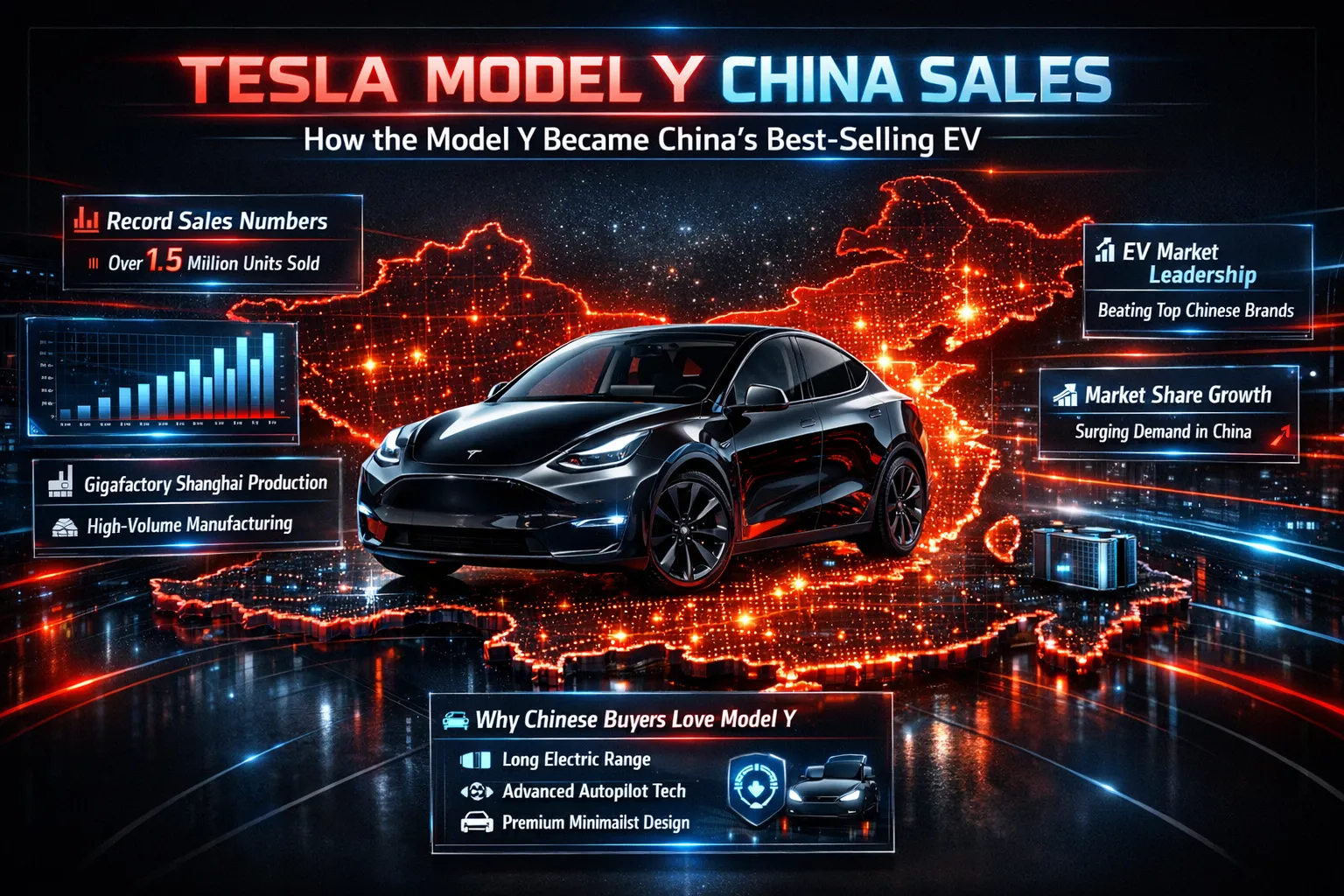
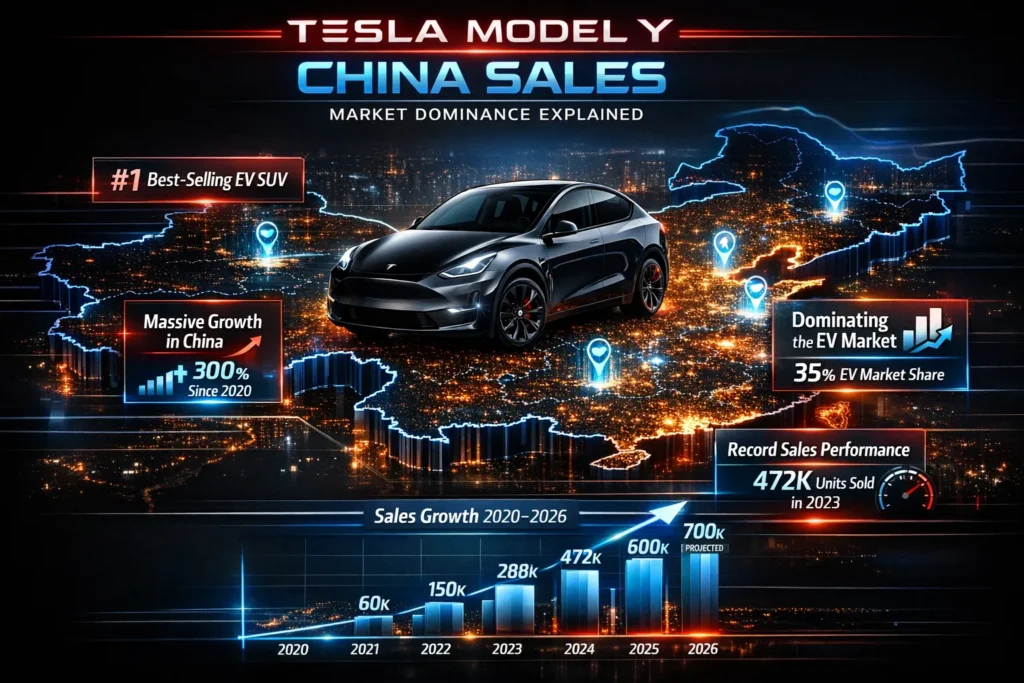
A strong showing by the Tesla Model Y in China often signals where the rest of the EV market might head. Shifts there ripple outward, quietly shaping trends far beyond its borders. Numbers rise or fall, yet attention stays fixed on this corner of the world. What happens locally can tilt perspectives worldwide. Demand here does more than fill orders – it sets rhythms others follow.
Right now, China leads the global electric car market with unmatched momentum. At its center stands the Shanghai Gigafactory – this site drives mass output. Production lines here supply vehicles across regions. Speed meets scale within these factory walls. Output grows month after month, steady and sharp. Local demand powers expansion. Each phase builds on real results. Efficiency shapes every process. Manufacturing rhythms stay intense. Supply chains tighten around performance. Innovation shows up in daily operations. Work continues without pause
Domestic consumers
- International export markets
- European deliveries
- Global supply distribution
What happens in making Model Y shapes how well it sells. Sales results tie closely to production pace. Output volume shows up fast in delivery numbers. How many cars roll out affects income right away. Production speed links tightly to market response. Factory flow impacts customer reach without delay. Build rates shift revenue almost instantly
Tesla’s corporate revenue expansion
- Worldwide EV ranking position
- Competitive positioning in China
- Export volume growth
- Stock valuation sentiment
- Beyond 2025 into 2026, shipment results shift unpredictably because of –
- Aggressive price adjustments
- Intense competition from local manufacturers
- Government incentive policies
- Battery cost variations
- Supply chain optimization strategies
Quick Overview Table:
| Feature | Details |
| Body Type | Compact / Mid-Size Electric SUV |
| Seating Capacity | 5 seats / 6 seats (Model Y L variant) |
| Production Facility | Shanghai Gigafactory |
| Drive Options | RWD / AWD |
| Battery Type | Advanced Lithium-ion |
| Driving Range | 450 km – 600+ km (Variant dependent) |
| Acceleration | 3.7 sec – 6.9 sec (0–100 km/h) |
| Market Coverage | Domestic + Export |
Why This Specification Table Matters for SEO
Structured data improves:
Search visibility
Featured snippet ranking
User engagement
Google algorithm comprehension
Tables enhance readability and increase session duration.
Monthly Tesla Model Y China Sales
Tesla releases production and delivery data through industry reporting channels like CPCA reports.
Sales numbers usually vary based on:
- End-of-quarter delivery acceleration
- Promotional pricing campaigns
- Export order volume
- Manufacturing capacity expansion
- Inventory clearing strategies
Typical Monthly Pattern
| Month | Estimated Sales Pattern | Market Behavior |
| January | Moderate | Post-holiday slowdown |
| February | Stable | Production normalization |
| March | High | Quarter-end push strategy |
| June | Increased | Strategic pricing impact |
| September | Peak Level | Inventory optimization |
| December | Maximum Output | Year-end sales surge |
Key Insight
Tesla generally maximizes deliveries during:
Quarter closing periods
Year-end financial optimization
After price reduction announcements
Exterior Design
Why Model Y Exterior Performs Well in China
Chinese automobile consumers prefer:
- Futuristic visual identity
- Minimalistic design philosophy
- Premium SUV posture
- Technology-focused aesthetic
Tesla Model Y aligns strongly with these expectations.
Key Exterior Characteristics
- Aerodynamic body structure
- LED projector lighting system
- Closed grille design
- Panoramic glass roof architecture
- Flush-mounted door handles
- 19-inch & 20-inch alloy wheel configurations
Competitive Advantage
Compared to domestic competitors:
- More refined appearance than BYD Tang EV
- Superior global brand recognition
- Cleaner styling than traditional SUV designs
The design language enhances premium perception and long-term brand equity.
Interior & Comfort
Tesla adopts a radically simplified interior philosophy.
Instead of complex dashboard systems, Tesla integrates everything into a central control interface.
Interior Core Features
- 15-inch horizontal touchscreen display
- Digitalized control ecosystem
- Wireless connectivity infrastructure
- Premium synthetic upholstery
- Spacious cargo storage configuration
Space Optimization Advantage
Model Y provides:
✔ Large trunk capacity
✔ Fold-flat rear seats
✔ Under-floor storage compartment
✔ High cabin headroom
These spatial improvements make the vehicle practical for family usage.
Model Y L Variant
The Model Y L edition introduces:
- 6-seat layout option
- Increased seating flexibility
- Enhanced passenger accessibility
- Better comfort arrangement
This version appeals strongly to:
✔ Family-oriented buyers
✔ Corporate transportation needs
✔ Long-distance travel consumers
Performance & Driving Experience
Available Variants
| Variant | Motor System | Drive | Performance Character |
| Standard | Single Motor | RWD | Efficiency Focus |
| Long Range | Dual Motor | AWD | Balanced Power |
| Performance | Dual Motor | AWD | High Acceleration |
| Model Y L | Family Optimized | AWD | Comfort Priority |
Why Performance Matters in China
Chinese consumers emphasize:
✔ Rapid acceleration capability
✔ Highway stability
✔ Advanced battery efficiency
✔ Smart driving assistance
Tesla maintains dominance because of:
- Instant torque delivery
- AI-powered motor control
- Continuous OTA software performance optimization
Performance improvement through software Updates strengthens product longevity.
Electric Range & Battery Analysis
Estimated Range (CLTC Standard)
| Variant | Driving Range |
| Standard | ~450 km |
| Long Range | ~600 km |
| Performance | Slightly reduced compared to Long Range |
Why Range Is Critical
Customers evaluate the range based on:
- Intercity commuting
- Long highway travel
- Urban daily driving
- Fast charging infrastructure accessibility
Tesla Supercharger network integration increases usability and consumer confidence.
Battery management systems optimize efficiency through AI calibration and thermal regulation.
Safety Technology Overview
Tesla integrates advanced protection mechanisms.
Core Safety Systems
- Multi-airbag deployment system
- Automatic emergency braking
- Collision detection algorithms
- Lane-keeping assistance
- Adaptive cruise control technology
- 360-degree camera monitoring
Why Safety Drives Purchase Decisions
Safety certification increases:
✔ Resale value
✔ Insurance acceptance
✔ Consumer confidence
✔ Brand trust perception
Tesla frequently achieves strong crash test performance internationally.
Technology & Smart Features
Technology represents Tesla’s primary competitive edge.
Intelligent Systems
- 15-inch central digital interface
- Over-the-air software upgrades
- Real-time navigation mapping
- Voice-activated command system
- Remote mobile application control
- Autopilot driver assistance platform
Importance of OTA Updates
Over-the-air updates provide continuous improvement:
✔ Enhanced performance
✔ Battery optimization
✔ Security enhancement
✔ UI modernization
Vehicles remain technologically relevant for extended periods.
This digital ecosystem increases product lifecycle value.
Variants & Pricing
Pricing Influencers
Tesla pricing adjustments depend on:
- Battery material cost
- Government subsidy policies
- Competitive pricing pressure
- Export demand volume
- Inventory adjustment cycles
Market Position Strategy
Tesla positions Model Y:
✔ Above mainstream electric brands
✔ Below ultra-luxury electric SUVs
This strategy creates a premium yet accessible pricing model.
Dynamic pricing allows Tesla to maintain competitiveness.
Competitive Landscape in China
Major Competitors
| Competitor | Strength |
| BYD Tang EV | Strong domestic pricing power |
| Xiaomi EV | Tech-focused innovation |
| Geely Zeekr 001 | Premium positioning |
Competitive Pressure Factors
Tesla faces:
- Aggressive price reductions from local Brands
- Rapid product development cycles
- Government support for domestic manufacturers
Competition intensity increases yearly.
Tesla must innovate faster to sustain leadership.
Exports From Shanghai Gigafactory
Shanghai facility produces:
✔ Domestic deliveries
✔ Export units
✔ European market supply
Export Significance
Exports improve:
- Production efficiency
- Revenue diversification
- Global brand expansion
- Manufacturing capacity utilization
China’s factory operations significantly impact Tesla’s worldwide logistics framework.
Maintenance & Ownership
Why Maintenance Costs Are Lower
Electric vehicles eliminate:
- Internal combustion engines
- Oil lubrication systems
- Complex transmission systems
Financial Advantages
Owners benefit from:
Lower servicing expenses
Fewer mechanical failures
Software-based diagnostic repairs
Resale Value Stability
Tesla retains strong resale value because of:
- Global demand recognition
- Software upgrade ecosystem
- Brand prestige
- Technological reliability
Pros & Cons
Advantages
Powerful brand equity
Rapid acceleration
Advanced software
Strong charging infrastructure
High safety rating
Disadvantages
Build quality complaints from some consumers
Increasing Competition
Price volatility
Limited customization options
Who Should Buy the Tesla Model Y?
Ideal Customers
- Technology enthusiasts
- Family buyers
- Urban professionals
- Performance-driven drivers
Not Ideal For
- Traditional luxury interior preference buyers
- Budget-focused consumers seeking the lowest cost
FAQs
A: It frequently ranks among the top-selling electric SUVs but competes intensely with local brands.
A: Sales typically range between:
15,000 – 70,000+ units per month
Depending on production cycles and market demand.
A: Major competition comes from:
BYD models
Emerging electric brands
Technology-driven startups
A: Yes. Shanghai Gigafactory exports vehicles to:
Europe
Asia-Pacific markets
Global international buyers
A: Yes. Especially the Model Y L variant with:
6-seat layout
Expanded interior flexibility
Enhanced comfort design
Conclusion
Tesla Model Y China sales from 2025 to 2026 demonstrate resilience amid competitive pressure.
Key growth drivers include:
Brand dominance
Technological innovation
Export expansion
Efficient production infrastructure
Continuous Software enhancement
However:
Competition from domestic EV companies continues to intensify.
Tesla must maintain pricing flexibility and technological leadership to preserve market share.