Introduction
The Ferrari Testarossa has remained an automotive legend for more than three decades, capturing the hearts of car enthusiasts with its iconic style and thrilling performance. Originally imported in 1984 as the replacement for the 512 BBi, the Testarossa’s bold wedge-shaped design, wide stance, and innovative construction made it an instant sensation in the sports car world.
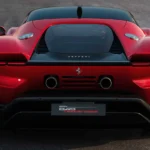
Now, Ferrari has revived the Diva badge for a 2026 plug-in hybrid supercar — the 849 Testarossa — with modern driveline technology and design cues from its simple group.
In this article, we’ll dive in-depth into every aspect of the Ferrari Testarossa — including its design, performance, interior features, safety, fuel economy, variation, pros and cons, ownership insights, and competitor comparisons. Whether you’re researching for an investment or directly love supercars, this guide has you covered.
Quick Overview Table
Exterior Design
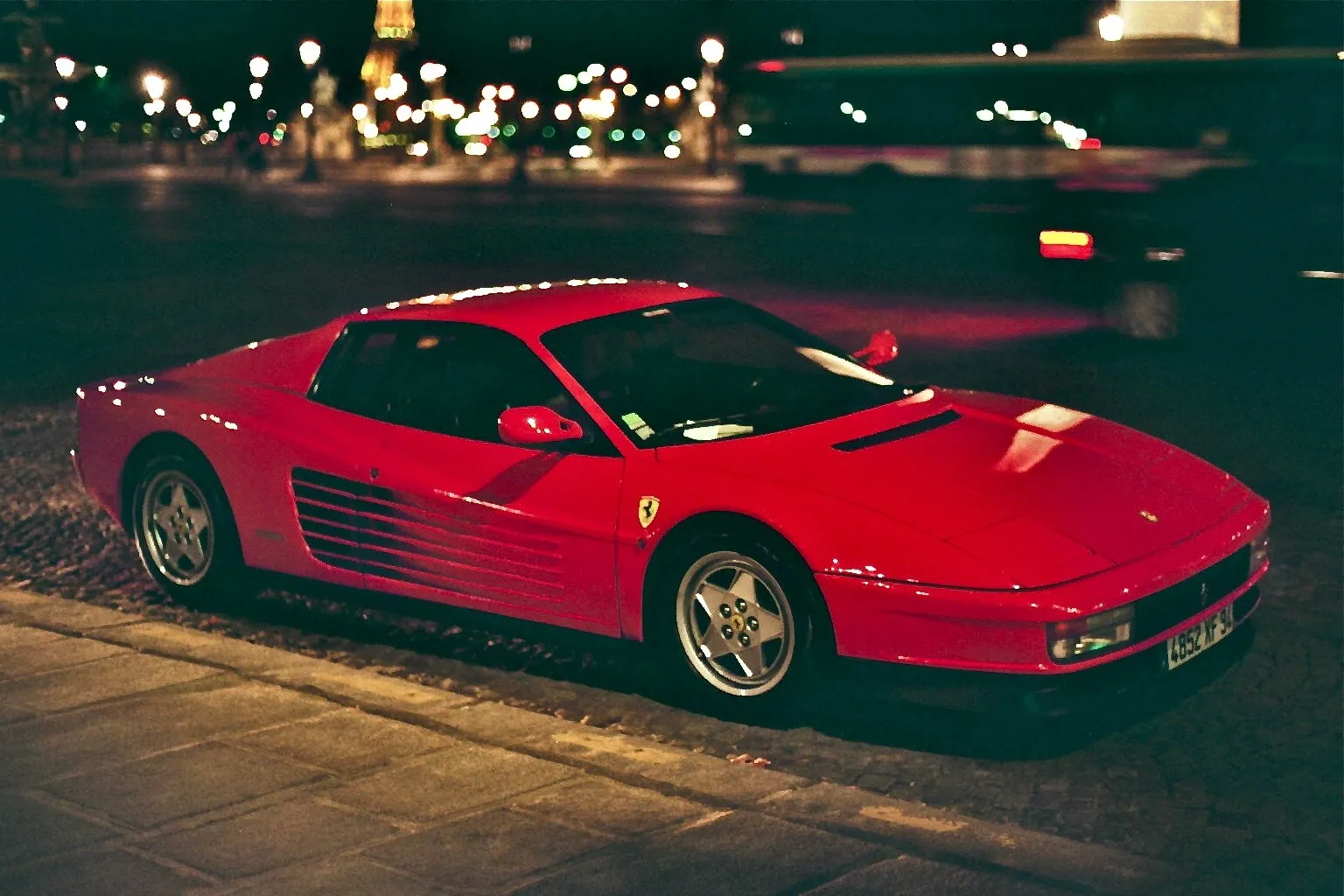
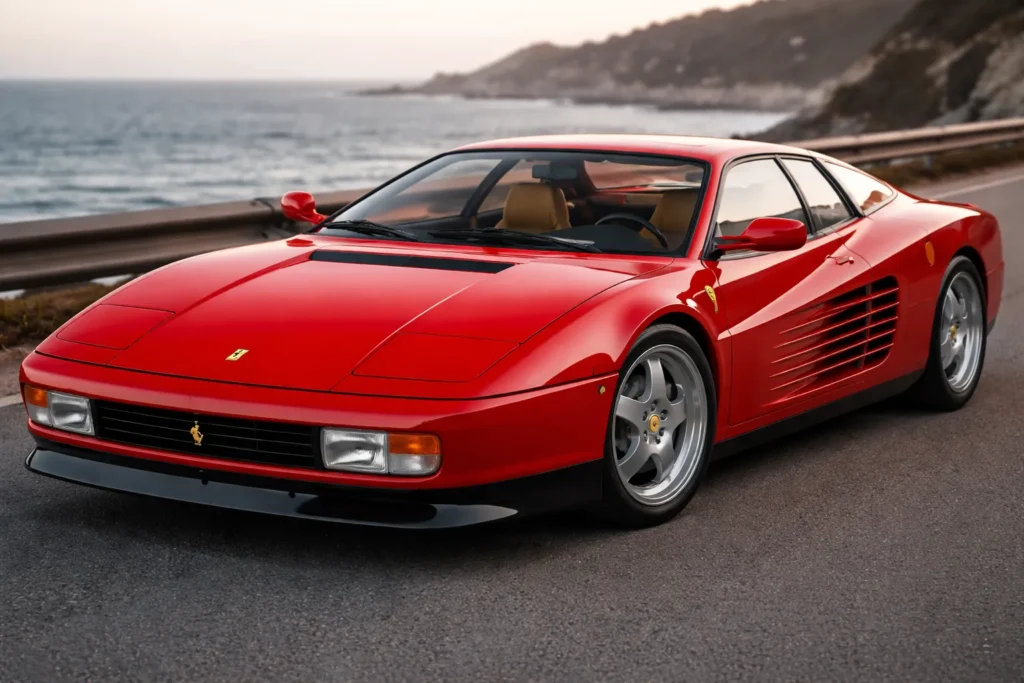
The Ferrari Testarossa’s exterior design is one of the most directly definite shapes in car history. From its bold chunk profile to signature side strakes and wide posture, the Testarossa’s lines are unforgettable.
Classic Testarossa
- Side Strakes: One of its most iconic features — horizontal “strakes” running across the doors and rear quarter panels — that not only looked aggressive but also functioned as air intakes.
- Pop–Up Headlights: A staple of 1980s supercar design, adding to its futuristic look.
- Wide Rear Body: Makes room for the mid-engine layout and gives a muscular, powerful stance.
Modern 849 Testarossa
- Sleek aeronautics: Sharp geometrical lines inspired by 1970s racing prototypes connected with advanced aerodynamics that generate compelling downforce for balance at high speed.
- Aggressive Front Fascia: LED bluff and sleek, ample give a
- Current yet unmistakably Ferrari look.
- Hybrid Aesthetics: Blends law with Modern map language.
In both classic and modern models, the Testarossa isn’t just about looks — aerodynamic efficiency was always a priority, balancing form and functional cooling.
Interior & Comfort
From the cabin of the classic to the cabin of the new hybrid, the Testarossa’s interior follows Ferrari’s need for driving bliss.
Classic Interior
- Leather Upholstery: Most panels, seats, and dashboard areas were leather-wrapped — embodying Italian luxury craftsmanship.
- Analog Gauges: Classic instrument dials with distinct red needles.
- Metal-Gated Shifter: A signature Ferrari design element that enthusiasts love.
Modern 849 Testarossa
- Ergonomic Layout: Controls are centered around the driver for maximum engagement.
- Dual-Function Steering: Combines digital interfaces with traditional buttons, including the iconic engine start button.
- Comfort & Customization: Options range from comfort seats to carbon-fiber racing seats designed for sportier driving.
Whether classic or New, the Testarossa’s interior blends luxury with a purposeful, driver-centric layout.
Engine & Performance
Classic Flat-12 Performance
The original Testarossa featured a 4.9-litre, naturally aspirated flat-12 engine, producing around 390 hp and 490 Nm of torque.
This appliance’s unique layout contributed to low center of gravity and balanced handling — impressive for the era.
849 Testarossa Hybrid Powertrain
The new Testarossa uses a twin-turbocharged V8 engine paired with three electric motors in a plug-in hybrid system.
- Combined Output: Around 1,050 hp — making it among the most powerful Ferraris ever.
- Acceleration: ~0–100 km/h in under 2.3 s.
- Top Speed: Over 330 km/h.
This blend of performance and hybrid efficiency brings classic Ferrari passion into the modern era.
Fuel Economy / Range
Classic Fuel Economy
As expected from a high-performance V12 sports car of its era, fuel economy was not a priority:
- Combined: Around 11.4 L/100 km (20.6 US mpg).
- This reflects the era’s focus on power and thrill rather than efficiency.
Modern Hybrid Testarossa
The Testarossa’s new plug-in system allows for:
- Electric-Only Range: Estimated modest distance for urban driving (similar to many PHEVs).
- Improved Usability: combination tech enhances daily driving resilience without compromising performance. The combination model heralds Ferrari’s responsibility to continue high performance.
Safety Features
While classic models had limited driver assistance due to era norms, the modern Testarossa implements:
- Advanced Braking Systems: Including ABS Evo for enhanced braking precision.
- Traction & Stability Controls: Ferrari’s MOST advanced systems to date.
- Driver Assistance: Modern safety features integrated for high-speed confidence.
Classic models prioritized performance over modern safety aids, but both versions reflect Ferrari’s best standards for their time.
Technology & Infotainment
Classic
- Analog gauges
- Basic radio systems
- Minimal assimilation (a reflection of 1980s tech)
Modern 849 Testarossa
- Digital Cluster
- Driver-focused HMI (Human Machine Interface) with customizable driving modes.
- Relatedness to
- Current systems without losing Ferrari’s driving Focus.
Variants & Pricing
Ferrari historically did not split Testarossa into big trims — but there were key evolutions:
- Original Testarossa (1984–1991) – The first bearing.
- 512 TR – Enhanced performance and handling.
- F512 M – Final evolution with design tweaks and power bump.
- 849 Testarossa (2026+) – Modern plug-in hybrid supercar replacing SF90 mount.
Pricing: Modern Testarossa models are luxury supercars — commonly in the hundreds of thousands of euros range — averaging with flagship Ferrari pricing.
Pros & Cons
Pros
- Iconic and timeless design — One of the most definitive cars ever made.
- Thrilling performance legacy — Flat-12 classic and hybrid power today.
- Driver-centric experience — Engaging and immersive cockpit.
- Historical significance — Major impact on car culture.
- Modern technology infusion — Hybrid performance with advanced electronics.
Cons
- Fuel economy (classic) — Unsurprisingly thirsty.
- Maintenance costs — High for both classic and modern supercars.
- Limited usability — Low ground clearance and performance focus.
- High ownership costs — Insurance, servicing, parts.
- Classic tech limitations — Lack of modern safety and comforts.
Best For
The Ferrari Testarossa is perfect for:
- Supercar collectors
- Ferrari enthusiasts
- Performance lovers seeking heritage and modern tech
- Drivers who value style, legacy, and thrill
- Luxury buyers want statement cars
Suggested Competitor Cars
Here are three supercars that are natural alternatives:
| Model | Why Consider |
| Lamborghini Countach / Countach LPI 800-4 | Iconic design & performance rival. |
| Porsche 911 Turbo S | Everyday usability + high performance. |
| McLaren 720S / Artura | Modern tech + thrilling performance. |
Each offers a different approach to supercar excellence — from classic heritage to advanced modern engineering.
Maintenance & Ownership
Owning a Ferrari Testarossa — classic or modern — is a premium experience, but it comes with responsibilities:
- Servicing: Must be done by a qualified Ferrari authority.
- Parts: simple models may require sourcing rare parts; modern ones use leading components.
- Resale Value: Classic Testarossas often appreciate; modern amalgam may retain strong value due to limited production.
Regular care is key to reliability and long-term enjoyment.
FAQs
A: Testarossa means “red head” in Italian, originally referring to the red valve covers on Ferrari racing engines in the 1950s.
A: Classic Testarossas have strong collector interest and may appreciate, but market conditions vary.
A: Classic models use a flat-12 petrol engine, while the modern 849 Testarossa is a hybrid supercar with an advanced powertrain.
A: Testarossa means “red head” in Italian, originally referring to the red valve covers on Ferrari racing engines in the 1950s.
Q5: Is the Ferrari Testarossa a good investment car?
A: Classic Testarossas have strong collector interest and may appreciate, but market conditions vary.
Conclusion
The Ferrari Testarossa debris one of the most acclaimed names in automotive history — a car that defined an era and continues to evolve for modern addicts. From its simple flat-12 engine and eye-endemic design to the state-of-the-art amalgam 849 Testarossa, Ferrari has managed to conserve the Heart and soul of this icon while encompassing modern performance and technology.
For collectors, the simple Testarossa is more than just a car — it’s an artistic symbol of automotive artistry. The new amalgam version, meanwhile, represents Ferrari’s forward-facing vision: performance without accommodation.
Even if you love vintage supercars or cutting-edge performance, the Testarossa offers something enduring. It’s proof of Ferrari’s engineering excellence and abiding affection. Ready to explore more supercars or share your experiences? Leave your bosom, compare models, and dive deeper into complete car reviews on TheCarsCompare.com!