Introduction:
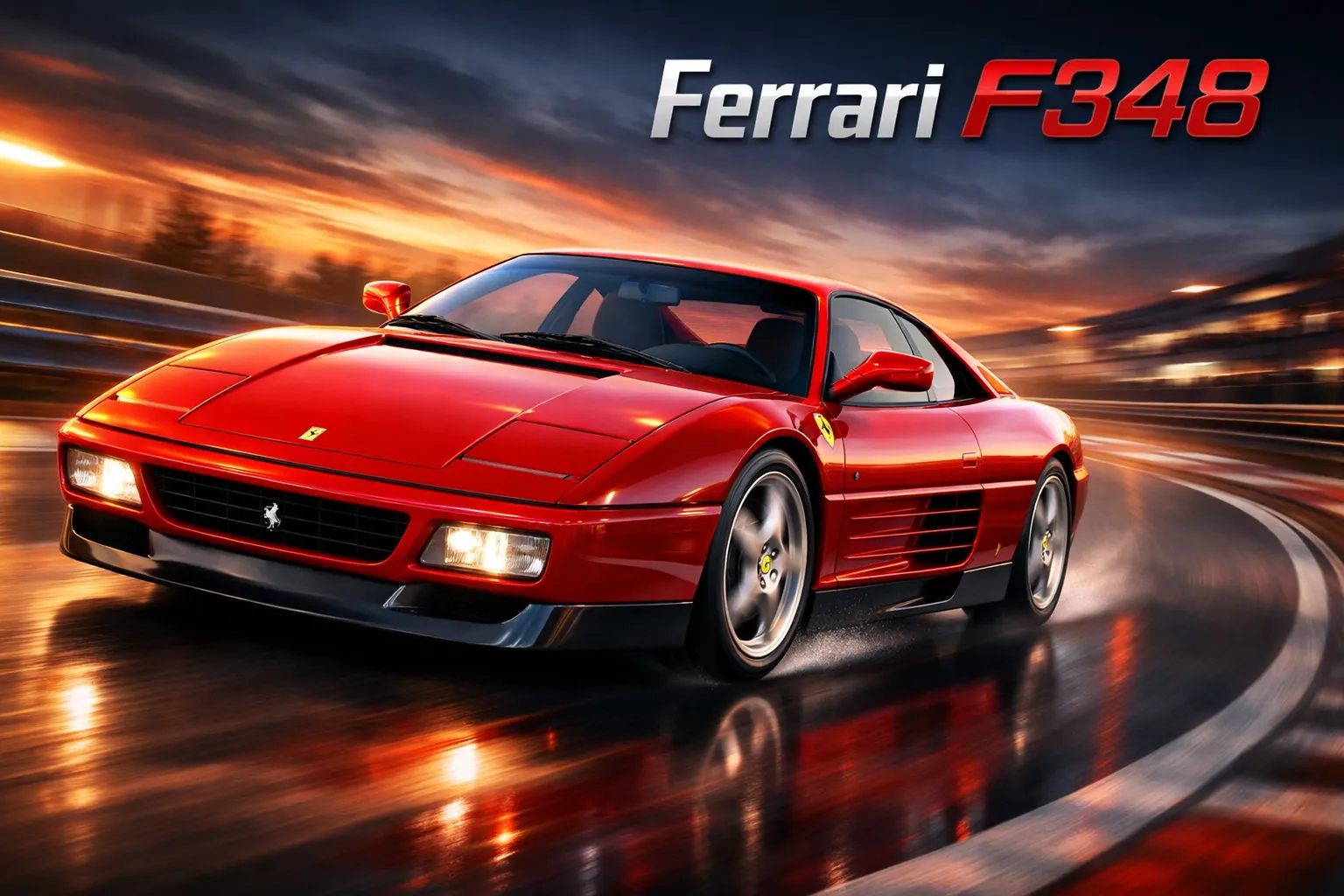
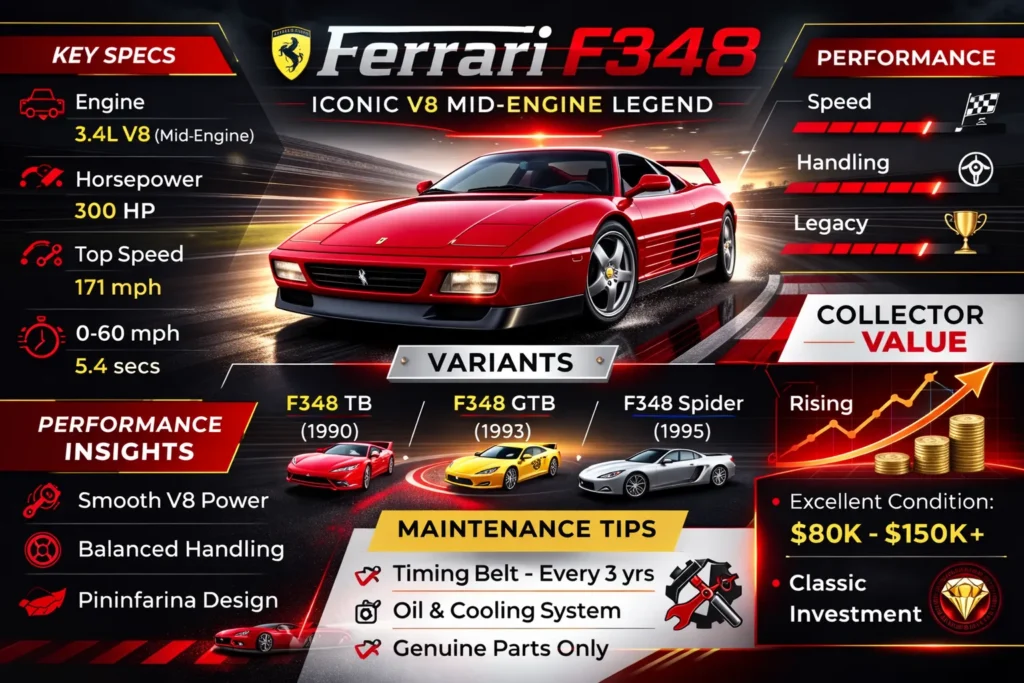
Midway through its era, a sharp-looking Machine arrived wearing curves drawn by Pininfarina. Starting the story in 1989, it stepped into the shadow of the 328 with confidence. Instead of following old patterns, it pushed forward with sharper edges plus a heart beating behind the driver. Built around an eight-cylinder engine placed low and central, motion felt alive, connected, immediate.
While later models stole attention fast, this one kept quiet admirers close. Enthusiasts still hunt for well-kept examples today. Driving it demands hands-on input – no filters, just feedback from road to spine. Over time, value has risen, not because of flashy promises but honest execution. Its legacy? A bridge between classic instinct and newer precision. Even now, turning heads without shouting.
Quick Overview Table:
| Feature | Specification |
| Engine | 3.4L V8 naturally aspirated |
| Power | 300–320 hp (depending on variant) |
| Torque | ~224–236 lb-ft |
| Transmission | 5-speed manual |
| Drive Type | Rear-wheel drive (RWD) |
| 0–60 mph | ~5.3–5.6 sec |
| Top Speed | ~171–175 mph |
| Body Type | Coupe / Targa / Spider |
| Seating Capacity | 2 |
| Fuel Type | Petrol |
Exterior Design:
Starting off bold, the F348 wears its 1980s roots like a tailored jacket – sharp lines meet smooth curves. Instead of shouting, it whispers speed through shapes that slice air without fuss.
Body styles and variants
- 348 TB: Classic coupe, driver-centric design
- 348 TS: Targa top variant, open-air experience
Starting with GTB and GTS, small updates shaped the look. Some versions got stronger engines instead of just styling changes. The Spider arrived later, bringing open-top driving into the mix by removing the roof. Each model kept its core feel while offering something slightly different under the skin
Ferrari’s signature grille takes center stage up front. Fog lamps sit neatly within the layout instead of feeling tacked on. Airflow gets a boost thanks to thoughtfully placed openings that slice through resistance.
Interior & Comfort:
Right where the steering wheel meets your hands, everything leans toward you. A row of analog dials takes center stage instead of screens crowding the view. Simple shapes cut out noise around your line of sight. Controls stay within reach but never shout for attention.
Dashboard & Controls:
Tucked into the dash, a cluster of round dials shows engine revs, road speed, gas level, also coolant heat
Gated manual shifter enhances tactile engagement
Logical, driver-oriented layout prioritizing ergonomics over Digital convenience
Seats and Cabin Space
Wrapped firmly around you, leather bucket seats hold their shape when pushing hard through corners. Motion stays controlled, even as pace picks up across winding roads
Midway through the chassis, the engine sits tight. This cuts back on the room behind, yet sets the driver just right
Older models came with radios plus tape decks for entertainment. Swapping them out later? Aftermarket fixes bring newer tech into the mix. Some drivers prefer keeping things stock. Others plug in updated systems when signals fade.
Engine & Performance
- Engine & Powertrain
- Engine: 3.4L naturally aspirated V8
Depending on the version, horsepower ranges from three hundred to three twenty
- Transmission: 5-speed manual
- Drive: Rear-wheel drive (RWD)
From zero to sixty miles per hour takes between five point three and five point six seconds
Last point on speed hits around 171 to 175 miles per hour
Driving Dynamics
A faster response comes through a balanced design. A central engine placement spreads weight almost perfectly, which helps quick moves feel steady even when pushing hard – yet power only reaching the back wheels asks for careful inputs, most of all during intense driving moments.
Fuel Economy & Range
- City: 11–13 mpg
- Highway: 16–18 mpg
- Fuel Tank: 22–24 Gallons
Safety Features
- Front driver and passenger airbags
- Disc brakes with ABS
- Minimal electronic driver aids
- Many enthusiasts recommend upgrading tires and brake systems for enhanced safety
Variants & Pricing
348 TB / TS
- TB: Coupe, 300 hp
- TS: Targa, 300 hp
- Transmission: 5-speed manual
- Entry-level classic Ferrari experience
GTB / GTS & Spider
- Slightly increased output (~320 hp)
- Spider convertible adds open-top experience
- The collector appeal is enhanced by styling and rarity
Serie Speciale
- Limited edition (100 units in the U.S.)
- Performance enhancements and exclusive aesthetics
- High collector value
Motorsport Editions
- GT Competizione & Michelotto GT: Racing-oriented homologation specials, extremely rare
General Price Range
| Variant | Price Range (Good Condition) |
| TB / TS | $50,000–$90,000 |
| GTB / GTS / Spider | $70,000–$120,000 |
| Serie Speciale / GTC | $150,000+ |
Pros & Cons
Pros
- Pure analog driving experience
- Iconic Ferrari wedge design
- Multiple variants appealing to Collectors
- Increasing classical value
Cons
- High maintenance costs
- Gearbox and chain tensioner concerns
- Limited daily comfort
- Minimal technology and safety features
- Poor fuel efficiency
Who Should Consider a Ferrari F348?
- Enthusiasts: Seek analog driving purity
- Collectors: Desire rare V8 variants
- Drivers: Value mechanical feedback over electronic aids
Ferrari F348 vs Competitors
| Feature | Ferrari F348 | Ferrari F355 | Honda NSX |
| Engine | 3.4L V8 | 3.5–3.7L V8 | 3.0–3.2L V6 |
| Power | 300–320 hp | 375–400 hp | 270–290 hp |
| Transmission | 5-speed manual | 6-speed manual | 5-speed manual / 4-speed auto |
| 0–60 mph | 5.3–5.6 sec | 4.7–5.0 sec | 5.5–5.8 sec |
| RWD | ✅ | ✅ | ✅ |
| Collector Value | Appreciating | Appreciating faster | Stable |
| Reliability | Moderate | Improved | High |
Maintenance & Ownership
- Service Intervals: Every 5,000–6,000 miles
- Replace the timing belt every three to five years
- Parts Availability: Via Ferrari specialists
- Over time, it tends to gain value – more so when rare versions come around
Ownership Tips:
- Inspect the gearbox and chain tensioner meticulously
- Consider upgraded tires and brakes for spirited driving
- Keep original pieces to boost worth for collectors
Buying Guide
When purchasing an F348:
- Scrutinize service history
- Inspect the engine, gearbox, and timing belts
- Confirm originality for rare editions (Spider, Serie Speciale)
- Account for insurance and upkeep costs
- Conduct a test drive to experience analog Dynamics
FAQs
A: Yes, if properly maintained. Pay close attention to gearbox and chain tensioner conditions.
A: Spider and Serie Speciale editions are highly sought after for their rarity and distinctive aesthetics.
A: While possible, comfort and fuel economy are limited. Ideal as a weekend or enthusiast car.
A: The F355 delivers higher power and refinement but loses some analog charm and tactile driving experience.
A: Yes, primarily through Ferrari-certified specialists; select aftermarket options exist.
Conclusion:
A machine like the Ferrari F348 doesn’t just move – it speaks. Born in 1989, stepping into the shadow of the famed 328, it carried forward something rare: raw connection without compromise. Because of its angular shape and center-placed engine, handling feels alive – direct, honest. Though built decades ago, collectors now hold it close, drawn by what numbers can’t measure. Since power comes from a naturally aspirated 3.4-liter V8, every turn above idle sings sharper, louder. While today’s cars cushion the sensation, this one delivers it bare. Driving becomes conversation – not control.
Fresh curves pull eyes today just like they did decades ago, yet what truly grabs attention is how alive the F348 feels behind the wheel. One model might start simply – the base TS – while another roars with limited-run fire under a targa top. Some hunt them for track weekends, others tuck them away, knowing values often climb. A red one parked downtown turns heads; the same car on a back road sings to those who drive it. Each version carries its own pulse, matching owner to engine note, mood to chassis Balance.