Introduction
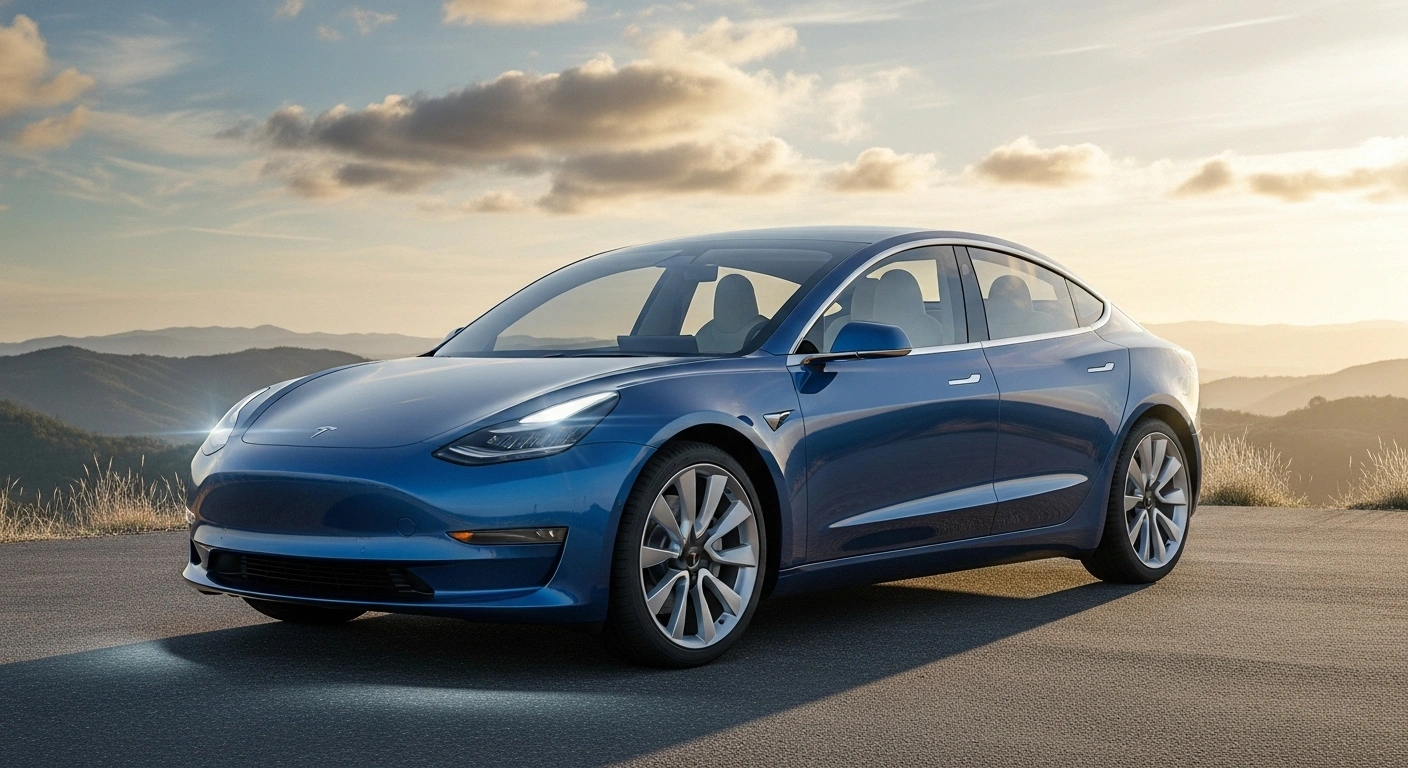
Even now, the 2018 Tesla Model 3 Long Range pulls attention among used EVs in 2026. People who love cars – and those just looking to get around – still seek it out due to its long reach on a charge, strong pickup, and access to fast charging stations. Inside, things feel sharp, different, built ahead of their time.
Besides changes over time, used-car sales by 2026 look quite different than they did back in 2018.
When evaluating a 2018 Tesla Model 3 Long Range, you likely want clarity on:
- What real-world range does it actually keep
- The current state of the battery
- Whether RWD or AWD is better for your needs
- The dependability of early Model 3s
- Buying a used 2018 Model 3 Long Range might be worth it now
Outdated advice fills most handbooks, while shallow stats dominate others. Diving deep, this guide unpacks each detail – specs, real-world mileage, common glitches, cost of keeping it running, how long batteries last, smart moves when shopping used models, along with what else might work by 2026.
Around then, clarity hits – does that 2018 Tesla Model 3 Long Range actually fit how you drive? With time, it becomes obvious if the car matches real-world needs.
What Is the 2018 Tesla Model 3 Long Range and Who Is It For?
The 2018 Tesla Model 3 Long Range is Tesla’s compact all-electric sedan variant engineered for motorists seeking substantial range and comfortable long-distance trips.
In 2018, Tesla provided:
- Long Range RWD (Rear-Wheel Drive)
- Long Range AWD (All-Wheel Drive)
Additionally, there was a short-lived mid-range edition, which frequently confuses pre-owned listings.
Who Should Consider a 2018 Model 3 Long Range in 2026?
Ideal for:
- Buyers seeking a pre-owned EV capable of long journeys
- Drivers with home charging capability
- Those who value the Tesla Supercharger network
- Consumers comparing older EV options (like Nissan Leaf, Chevrolet Bolt, Hyundai Kona Electric)
- People who want a new electric car without spending too much
Be cautious if:
- You prefer traditional analog buttons and controls
- You dislike doing pre-purchase research
- You are uncomfortable with some battery degradation
Bottom line: A 2018 Tesla Model 3 Long Range can remain an excellent pre-owned EV in 2026 — provided you assess it carefully.
Quick Overview Table:
Tesla made mid-year updates in 2018, so specs may vary slightly. Here’s a concise comparison between Long Range RWD and AWD models:
| Specification | 2018 Tesla Model 3 Long Range RWD | 2018 Tesla Model 3 Long Range AWD |
| Powertrain | Rear electric motor | Dual electric motors |
| Drive Type | RWD | AWD |
| Horsepower | ~258 hp | ~346 hp |
| Torque | ~317 lb-ft | ~376 lb-ft |
| 0–60 mph | ~5.3 sec (tested) | ~4.0 sec (tested) |
| EPA Range (new) | 310 miles | 310 miles |
| Battery Size | ~80.5 kWh usable* | ~80.5 kWh usable* |
| Charging (240V) | ~10 hours full | ~10 hours full |
| Body Type | 4-door sedan | 4-door sedan |
| Seating | 5 | 5 |
| Original MSRP | Upper $40k range | Mid $50k range |
*Tesla does not officially publish usable battery capacity, but Long Range 2018 packs are widely cited around 80.5 kWh.
Exterior Design:
The 2018 Model 3 Long Range maintains a sleek and minimal appearance that still impresses in 2026.
Key Features:
- Smooth, aerodynamic contouring for efficiency
- Minimalist front fascia without a conventional grille
- Contemporary LED headlights
- Fastback silhouette exuding a premium feel
Wheels & Appearance:
Most pre-owned cars have either:
- 18-inch Aero wheels — optimized for maximum range
- 19-inch sport wheels — visually appealing but slightly less efficient
Tip: If prioritizing range, opt for the 18-inch Aero wheels.
Interior & Comfort:
Tesla’s cabin design remains a highlight for early Model 3s.
Dashboard & Controls:
- Nearly all functions are accessed via the central touchscreen
- No support for Apple CarPlay or Android Auto
Pros:
- Futuristic ambiance
- Open, airy cabin
- Excellent sightlines
Cons:
- Learning curve for newcomers
- Lack of physical climate controls
- Touchscreen heavily reliant on Software
Seats & Cabin Space:
- Comfortable front and rear seating
- Flat rear floor enhances passenger comfort
- Dual-zone climate control
Cargo & Practicality:
- Rear trunk
- Small “frunk” at the front
- Foldable rear seats
- Not as flexible as hatchbacks but adequate
Performance:
While EVs don’t have conventional engines, performance remains a key consideration.
Long Range RWD:
- Single rear motor
- ~258 hp
- Smooth acceleration and responsive daily-drive experience
Long Range AWD:
- Dual motor configuration (front + Rear)
- ~346 hp
- Superior traction and faster acceleration
Acceleration:
- RWD: ~5.3 sec 0–60 mph
- AWD: ~4.0 sec 0–60 mph
Even the RWD version competes with many modern gasoline sedans.
Electric Range & Efficiency:
EPA Range (New): 310 miles
2026 Realistic Range:
Battery wear, driving habits, climate, and wheel selection impact real-world range.
- 280–300+ miles: Excellent condition
- 255–279 miles: Typical Performance
- <250 miles: Needs close inspection
Factors Affecting Range:
- Battery degradation
- Tire choice & wear
- Temperature extremes
- Driving speed
- HVAC usage
- Payload & terrain
Battery Longevity:
Tesla warranties guaranteed minimum 70% retention. Declines often occur early, then stabilize.
Charging Time:
- 240V home charger: ~10 hours (varies by amperage)
Safety:
Standard Safety Features:
- Multiple airbags
- ABS brakes
- ESC
- Traction control
- Rearview camera & parking sensors
- Automatic emergency braking (varies by unit)
Autopilot & Software Notes:
- Verify if Autopilot is activated
- Check for Enhanced Autopilot or FSD
- Confirm software matches listing claims
Mandatory Recall Check:
- Run VIN through Tesla’s recall database
- Request proof of completed service
Technology & Infotainment: Still Relevant
Touchscreen Controls:
- Central hub for speed, navigation, climate, charging, and cameras
- Access to Tesla apps and mobile app control
- Phone-as-key functionality
Limitations:
- No Apple CarPlay or Android Auto support
Variants & Pricing:
2018 Configurations:
- Long Range RWD — better value
- Long Range AWD — enhanced performance
- Mid Range — common mislabeling in listings
Price Determinants:
- Mileage
- RWD vs AWD
- Accident and service history
- Battery condition
- Warranty
- Software features
Buying Tip: Low-mileage RWD models usually offer the best value; AWD commands a premium.
Long Range RWD vs AWD:
| Category | Long Range RWD | Long Range AWD |
| Best For | Value | Performance & traction |
| Drive Layout | RWD | AWD |
| Power | Lower | Higher |
| Acceleration | Quick | Faster |
| Efficiency | Slightly better | Slightly lower |
| Used Price | Cheaper | More expensive |
| Weather Confidence | Adequate | Better in rain/snow |
| Complexity | Simpler | More components |
Expert Recommendation:
- Buy RWD: If budget-conscious, mild climate
- Buy AWD: If you want superior traction and faster acceleration
Common Issues & Reliability
Typical Concerns:
- Minor build quality inconsistencies
- Panel alignment and rattles
- Battery degradation or reduced range
- Charging limitations
- 12V battery aging and replacement needs
- Tire wear from instant torque
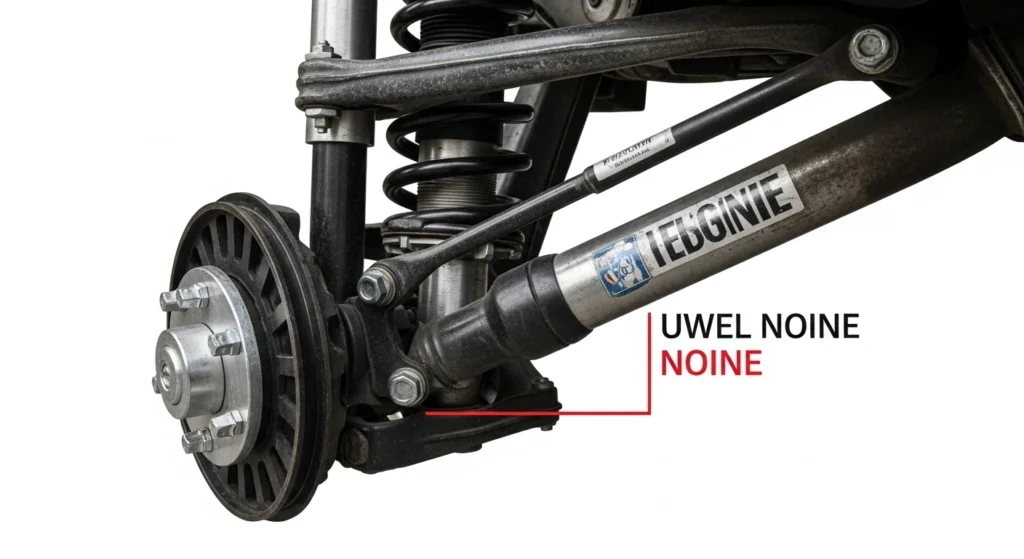
- Suspension bushings and noise
- Brake surface rust
Battery Warranty & Coverage
- Basic warranty: 4 yrs / 50,000 miles
- Battery & drive unit: 8 yrs / 120,000 miles with 70% minimum retention
A 2018 Model 3 in 2026 may be nearing warranty expiration or mileage limits.
Pre-Purchase Checklist
- Confirm true Long Range trim
- Verify RWD vs AWD
- Ask for range screenshots (80% and 100%)
- Check battery warranty
- Test Supercharger access
- Inspect tires & suspension
- Review the 12V battery history
- Verify accident records
- Ensure Tesla app ownership transfer
High Mileage Considerations
- <60,000 miles: Optimal
- 60k–100k miles: Still reliable if range is strong
- 100k–120k miles: Check battery & warranty
- 120k+ miles: Higher risk, requires lower price
Used EV Tax Credit (US)
- Purchase under $25,000
- Income and eligibility limits apply
- Dealer requirements & VIN eligibility
- Confirm IRS rules at Purchase
Maintenance & Ownership Costs
- Home charging cheaper than gas
- Supercharger use adds cost
- Maintenance: tires, 12V battery, cabin filters, brake checks, alignment, shocks/struts
- Insurance varies; Tesla resale value strong if battery health is good
Pros & Cons
Pros:
- Strong 310-mile original range
- Fast, modern driving experience
- Tesla Supercharger network
- Minimalist cabin
- High owner satisfaction
Cons:
- Early build quality variations
- Battery warranty often near expiration
- Mislabelled trims in listings
- No CarPlay/Android Auto
- Touchscreen-only controls
- Potential out-of-warranty repairs
lternatives
| Model | Strength | Weakness |
| 2019 Model 3 Long Range | More refined | Higher price |
| 2020 Model 3 Long Range | Better maturity, ownership balance | Expensive |
| Hyundai Kona Electric | Value and efficiency | No Tesla ecosystem |
FAQs
A: 2018: 310 EPA miles. 2026: typically lower due to battery aging, climate, and driving behavior.
A: Yes, both RWD and dual motor AWD exist.
A: 8 yrs / 120,000 miles with minimum 70% retention for Long Range variants.
A: Often yes, but check battery health, tires, suspension, and service records.
A: Yes — always confirm range, and Tesla build info.
Final Verdict
A car from 2018 might surprise you, even years later. The Model 3 Long Range holds up, granted it’s picked with attention. By 2026, condition matters more than age. A solid example could serve well, given realistic expectations.
Starting off right, decent bargains hide among checked electric vehicles showing light use plus solid battery health. Trouble sneaks in when trim labels lie, power cells fade, or prices climb too High.